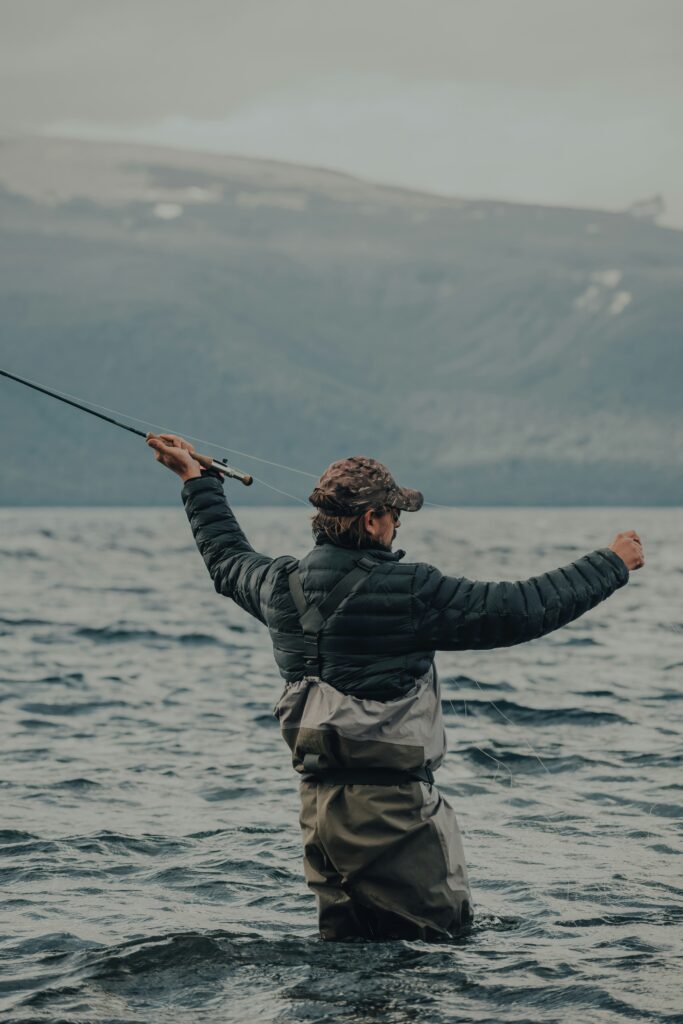
Fly fishing looks intimidating from the outside. The casting, the gear, the terminology — it can feel like there’s a steep learning curve before you ever touch water.
The reality is different. With the right starter setup, most beginners are making decent casts within an hour and catching fish on their first or second trip. The gear doesn’t have to be expensive or complicated.
This guide covers everything you need to get started — and nothing you don’t.
AFFILIATE DISCLOSURE: This article contains affiliate links. If you click a link and make a purchase, we may earn a small commission at no extra cost to you. We only recommend products we genuinely believe are worth buying.
What You Actually Need to Start Fly Fishing
Before listing products, here’s the honest breakdown of what a beginner actually needs:
Essential (must have):
- Fly rod and reel combo
- Fly line, leader, and tippet
- A few basic flies
- Fishing license
Helpful but not required day one:
- Waders and wading boots
- Vest or pack
- Polarized sunglasses
- Net
You can be on the water for under $150 if you buy smart. Here’s exactly how.
Best Beginner Fly Rod and Reel Combos
1. Orvis Encounter — Best Overall Beginner Combo
Price: ~$149
The Orvis Encounter is the beginner fly fishing combo we recommend above everything else at this price point. Orvis is one of the most respected names in fly fishing, and the Encounter brings that quality down to an accessible price.
What’s included:
- 9-foot, 5-weight fly rod
- Large arbor reel pre-spooled with line
- Fly line, leader, and backing already set up
- Rod tube for transport and storage
The 5-weight rod is the perfect starting point for beginners. It’s versatile enough to handle small streams, larger rivers, bass ponds, and everything in between. When someone asks what weight to start with — the answer is almost always 5-weight.
Everything comes pre-rigged, meaning you don’t have to figure out how to set up a fly line system on your first day. Take it out of the tube, tie on a fly, and start casting.
Orvis backs this rod with a 25-year guarantee — unheard of at this price point.
Bottom line: The best value in beginner fly fishing. The Orvis name means you’re not buying a toy — this is real gear that will last years.
2. Redington Path Outfit — Best Budget Combo
Price: ~$109
For beginners who want to spend as little as possible while still getting quality gear, the Redington Path Outfit is the answer.
What’s included:
- 9-foot, 5-weight graphite rod
- Aluminum reel with pre-spooled line
- Complete line setup ready to fish
- Rod tube and reel case
Redington makes gear used by serious fly fishermen — the Path Outfit brings that quality to a beginner price. The rod has a medium-fast action that’s forgiving for beginners still developing their casting stroke.
Bottom line: The best fly fishing starter combo under $110. Hard to beat for a first setup.
3. Echo Base Kit — Best for Serious Beginners
Price: ~$179
If you’re serious about fly fishing and want gear you won’t outgrow quickly, the Echo Base Kit is worth the extra $30 over the Orvis Encounter.
What’s included:
- Echo Base fly rod — medium-fast action, extremely forgiving
- Echo Ion reel pre-spooled
- Rio Mainstream fly line
- Leader and tippet
- Instructional DVD
Echo rods are used by professional guides. The Base is their entry-level offering but it fishes like a much more expensive rod. If you know you’re going to take fly fishing seriously, start here.
Essential Flies for Beginners
You don’t need 200 flies to start. These 5 patterns cover most situations a beginner will encounter:
1. Elk Hair Caddis (sizes 14-16) The most versatile dry fly for beginners. Works on almost every trout stream in North America. If you only buy one fly, buy this one. [CHECK PRICE ON AMAZON]
2. Woolly Bugger (sizes 6-10, black and olive) A streamer that imitates baitfish, leeches, and large insects. Works for trout, bass, and panfish. Extremely effective and easy to fish. [CHECK PRICE ON AMAZON]
3. Parachute Adams (sizes 14-18) The most famous dry fly in existence. Imitates a wide range of mayflies and works when you’re not sure what fish are eating. [CHECK PRICE ON AMAZON]
4. Hare’s Ear Nymph (sizes 12-16) Nymphs (underwater flies) account for the majority of a trout’s diet. The Hare’s Ear imitates dozens of aquatic insects and should be in every beginner’s box. [CHECK PRICE ON AMAZON]
5. Stimulator (sizes 10-14) A large, highly visible dry fly that’s easy to track on the water — perfect for beginners still developing their ability to spot strikes. Also imitates stoneflies and large caddis. [CHECK PRICE ON AMAZON]
Do You Need Waders?
Not to start. Plenty of excellent fly fishing happens from the bank or by wet wading (walking in the water in shorts and old sneakers) during warmer months.
If you decide fly fishing is for you and want to wade comfortably in cold water, here are two solid entry-level options:
Frogg Toggs Canyon II Waders — Best Budget Waders [CHECK PRICE ON AMAZON] Price: ~$89 Lightweight, packable, and waterproof. Not the most durable waders on the market but excellent value for beginners testing the waters (literally).
Simms Tributary Waders — Best Value Upgrade [CHECK PRICE ON AMAZON] Price: ~$199 Simms is the gold standard in wading gear. The Tributary is their entry-level offering but built to the same standards as their premium waders. If you’re serious about fly fishing, these will last years.
The One Piece of Gear Most Beginners Skip (Don’t)
Polarized sunglasses.
This isn’t about sun protection — it’s about seeing fish. Polarized lenses cut the glare off the water surface and let you see into the water. You can spot fish, watch their behavior, and present your fly accurately instead of casting blind.
Any polarized fishing sunglasses work. Costa and Maui Jim make premium options, but you can find solid polarized glasses for $20–$30 that do the job.
[CHECK PRICE ON AMAZON — BUDGET POLARIZED FISHING SUNGLASSES]
How to Actually Learn to Cast
Gear is only half the equation — casting is a skill that takes practice. Here’s the fastest path to competent casting:
1. Watch the Orvis fly casting videos on YouTube — free, well-produced, and cover everything from basic overhead cast to mending line. Start here before your first trip.
2. Practice in your backyard first — seriously. 30 minutes of practice casting on grass before you hit the water is worth hours of frustration on the river. You don’t need water to practice casting.
3. Take one lesson — a single 2-hour lesson from a certified casting instructor fixes bad habits before they become permanent. Many fly shops offer free or low-cost group lessons.
4. Start on small water — a small creek or pond is far more forgiving for beginners than a large river. Less current to manage, shorter casts required, and easier to read water.
Complete Beginner Setup — Total Cost Breakdown
| Item | Recommended Pick | Cost |
|---|---|---|
| Rod & Reel Combo | Orvis Encounter | ~$149 |
| Flies (starter pack) | Assorted 5-pattern pack | ~$15 |
| Tippet | Rio Powerflex Tippet | ~$8 |
| Polarized Sunglasses | Budget polarized | ~$25 |
| Fishing License | Varies by state | ~$25 |
| Total | ~$222 |
You can be properly equipped and legally fishing for around $220. That’s less than one day of guided fishing.
Our Recommendation
Start with the Orvis Encounter combo — the pre-rigged setup, the brand reputation, and the 25-year guarantee make it the obvious choice for anyone serious about learning fly fishing properly.
Pick up an assorted beginner fly pack, a spool of 5X tippet, and a pair of polarized sunglasses. Watch the Orvis casting videos the night before your first trip. Then go find some moving water.
[CHECK CURRENT PRICE — ORVIS ENCOUNTER ON AMAZON]
Frequently Asked Questions
What weight fly rod should a beginner buy? 5-weight. It’s the most versatile all-around weight for trout, bass, and panfish. Start with a 5-weight 9-foot rod and you’ll be set for 90% of freshwater fly fishing situations.
Is fly fishing hard to learn? The casting takes practice but basic competency comes quickly — most beginners are making fishable casts within an hour of their first lesson or practice session. Reading water and understanding fish behavior takes longer but develops naturally over time on the water.
Can I fly fish in a lake? Yes. Lakes and ponds offer excellent fly fishing for bass, bluegill, and trout where stocked. Bank fishing and float tube fishing are both effective. You don’t need moving water to fly fish.
Do I need a fishing license for fly fishing? Yes — a standard state fishing license covers fly fishing just like any other method. Licenses are available online through your state wildlife agency, typically $20–$35 for residents.
What’s the best fish to target as a beginner fly angler? Bluegill and panfish are ideal for beginners — they’re aggressive, abundant, and less selective than trout. Bass are also excellent beginner targets. Once you’re comfortable with casting and presentation, move to trout.
Last updated: 2026 | Wild Rods and Rifles