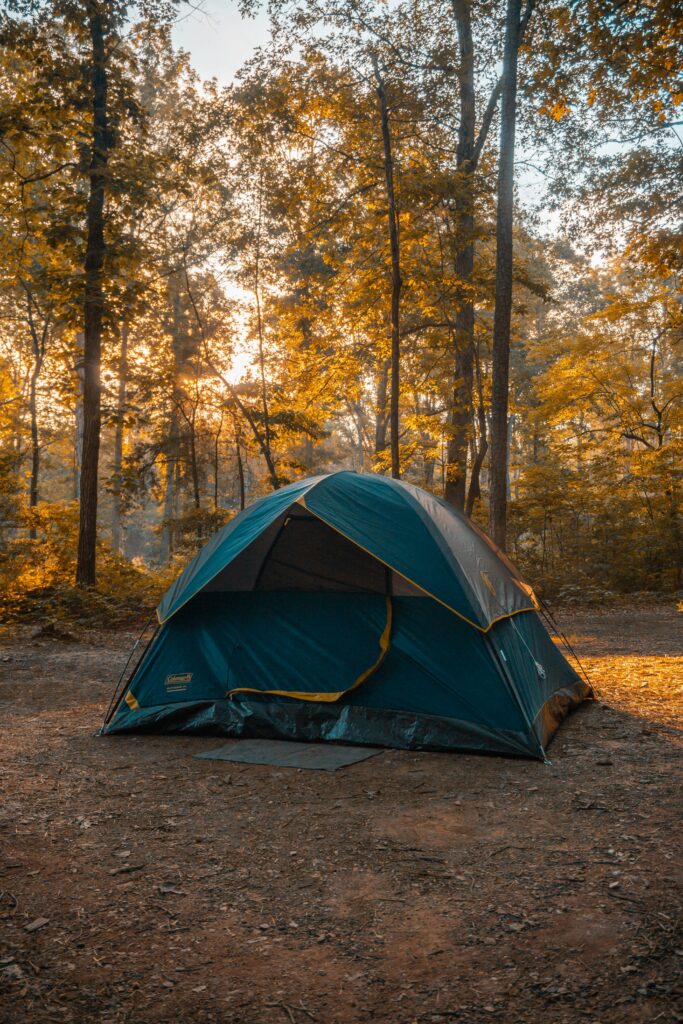
A good camping tent doesn’t have to cost $400. Several manufacturers produce genuinely capable tents under $100 that keep you dry, comfortable, and protected through real camping conditions — not just clear weather backyard setups.
These are the best camping tents under $100 that outdoor enthusiasts are actually sleeping in.
AFFILIATE DISCLOSURE: This article contains affiliate links. If you click a link and make a purchase, we may earn a small commission at no extra cost to you. We only recommend products we genuinely believe are worth buying.
Quick Comparison: Best Camping Tents Under $100
| Tent | Price | Best For |
|---|---|---|
| Coleman Sundome 4-Person Tent | around $70 | Best Overall |
| REI Co-op Passage 2 | around $99 | Best Quality |
| Teton Sports Mesa Canvas Tent | around $89 | Best for Hunters |
| Coleman Instant Cabin 4 | around $95 | Best Easy Setup |
| Naturehike Cloud-Up 2 | around $85 | Best Backpacking |
1. Coleman Sundome 4-Person Tent — Best Overall
Price: around $70
The Coleman Sundome is the best selling camping tent in America and for good reason. Coleman has been making reliable outdoor gear for over 100 years and the Sundome represents their best value — a genuinely capable tent at a price that leaves room in the budget for everything else.
Key Features:
- Fits 4 people or 2 people with gear
- WeatherTec system — welded floors and inverted seams
- 2 doors and 2 windows
- Electrical cord access port
- Sets up in about 10 minutes
- Rainfly included
The WeatherTec system is what separates Coleman from cheaper tents at this price point. Welded floors prevent water from seeping through seams at ground level — the most common failure point in budget tents. Inverted seams on the rainfly shed water away from stitching rather than letting it pool and leak through.
The electrical cord access port is a practical detail most campers appreciate — run an extension cord inside for phone charging, a fan, or a lamp without leaving a gap in the tent wall.
Setup takes about 10 minutes for most campers on the first attempt — color coded poles and simple clip system make it straightforward even for first-time tent campers.
Bottom line: The best all-around camping tent under $75. Coleman’s proven weatherproofing, easy setup, and generous capacity make it the obvious choice for most campers.
2. Alps Mountaineering Lynx 1-Person Tent — Best Quality
Price: around $99
Alps Mountaineering makes seriously capable outdoor gear and the Lynx is their best value tent — built with materials and construction that outperform every other tent at this price point.
Key Features:
- Aluminum poles — lighter and stronger than fiberglass
- Full coverage rainfly with vestibule
- Factory sealed seams
- Freestanding design
- Two doors for easy entry and exit
- Fits 1 person with gear comfortably
Factory sealed seams are the standout feature at this price. Most budget tents require you to seam seal yourself before the first use — a messy, time consuming process. Alps Mountaineering does it at the factory, meaning this tent is waterproof straight out of the bag with no prep required.
The aluminum poles deliver the same performance advantage as pricier tents — lighter than fiberglass, stronger in cold weather, and far less likely to snap under load. This single component puts the Lynx in a different performance category than budget tents using fiberglass poles.
Bottom line: The best quality tent under $100 with factory sealed seams and aluminum poles. A genuine step up in construction quality from budget alternatives.
3. Teton Sports Mesa Canvas Tent — Best for Hunters
Price: around $89
For hunters who use a base camp tent during extended hunts — or anyone who wants a tent that handles serious weather better than nylon alternatives — the Teton Sports Mesa canvas tent is the best option under $100.
Key Features:
- Cotton canvas construction
- Superior weather resistance
- Breathable fabric reduces condensation
- Steel poles for maximum stability
- Large interior space
- Season-resistant construction
Canvas tents outperform nylon in several important ways for hunters and serious campers. Canvas breathes — condensation that soaks the inside of nylon tents in cold weather doesn’t accumulate in canvas. Canvas also holds heat better in cold conditions and handles wind and snow loads that would flatten a nylon tent.
The trade-off is weight — canvas tents are significantly heavier than nylon. For base camp use where you drive to your campsite and don’t carry the tent, weight doesn’t matter. For backpacking where every ounce counts, choose a nylon tent.
Bottom line: The best canvas tent under $100. For hunters and campers who prioritize weather resistance and durability over light weight, canvas outperforms nylon at any price.
4. Coleman Instant Cabin 4 — Best Easy Setup
Price: around $95
For campers who hate fussing with tent poles and complicated setups — families with young kids, casual weekend campers, and anyone who wants to be sleeping in 60 seconds — the Coleman Instant Cabin sets up faster than any other tent on this list.
Key Features:
- Pre-attached poles — unfolds and sets up in 60 seconds
- Fits 4 people
- 6 foot center height — stand up inside
- WeatherTec system
- Electrical cord access port
- Carry bag included
60 second setup is genuinely impressive the first time you see it. The poles are permanently attached to the tent body — you simply unfold the structure, extend the legs, and stake it down. No threading poles through sleeves, no clipping poles to the tent body, no figuring out which pole goes where in the dark after a long drive to the campsite.
The 6 foot center height means most adults can stand upright inside — a comfort feature that small dome tents don’t offer. Getting dressed, organizing gear, and moving around inside is dramatically easier in a tall cabin tent.
Bottom line: The fastest setup tent under $100. If ease of use is your priority the Instant Cabin is unmatched at this price.
5. Naturehike Cloud-Up 2 — Best for Backpacking
Price: around $85
For hunters and anglers who backpack to remote locations — or campers who want a lightweight tent for hiking trips — the Naturehike Cloud-Up 2 is the best ultralight tent under $100.
Key Features:
- Ultralight construction — under 4 lbs
- 20D silicone nylon — strong and lightweight
- Full coverage rainfly
- Aluminum poles
- Compact packed size
- 3 season rated
Under 4 lbs for a 2-person tent is exceptional at this price. Ultralight backpacking tents typically cost $300-$600. The Naturehike Cloud-Up 2 delivers genuine ultralight performance at a fraction of that cost — making backcountry camping accessible without a massive gear investment.
The 20D silicone nylon fabric is stronger than standard tent fabrics of the same weight — resisting tears and punctures better than cheaper lightweight materials.
Bottom line: The best lightweight backpacking tent under $100. Essential for hunters and anglers who pack into remote areas where every pound matters.
How to Choose a Camping Tent
Capacity: Tent capacity ratings assume sleeping bags touching with no gear inside. A “4-person” tent comfortably sleeps 2-3 people with gear. Always buy one size larger than your actual group size.
Season rating: 3-season tents handle spring, summer, and fall camping in most conditions. 4-season tents are built for winter and extreme weather — heavier, more expensive, and unnecessary for most campers.
Pole material: Aluminum poles are lighter, stronger, and more durable than fiberglass. Always worth the small price premium when available.
Rainfly coverage: Full coverage rainflies that reach close to the ground provide dramatically better rain protection than partial rainflies. Check coverage before buying.
Freestanding vs non-freestanding: Freestanding tents stand on their own without stakes — easier to set up and position. Non-freestanding tents require staking to stand — lighter but less convenient.
Our Top Pick
For most campers the Coleman Sundome at around $70 is the best starting point — proven weatherproofing, easy setup, and Coleman’s century-long reputation for reliability.
For campers who want the best quality under $100, the REI Co-op Passage 2 at $99 delivers aluminum poles and REI construction standards that budget tents simply can’t match.
[CHECK CURRENT PRICE — COLEMAN SUNDOME ON AMAZON]
Frequently Asked Questions
Are cheap camping tents worth buying? Yes — with the right expectations. Budget tents from reputable brands like Coleman handle typical camping conditions well. They won’t survive a week of heavy rain in the mountains but they’ll keep you comfortable on most weekend camping trips. Avoid no-name brands under $40 — quality control is too inconsistent to trust.
How long do camping tents last? A quality tent from a reputable brand lasts 5-10 years with proper care. Store clean and completely dry, never leave set up in direct sun for extended periods, and repair small tears immediately before they grow. The biggest killer of tents is storing them wet — always dry completely before packing away.
What size tent do I need for 2 people? A 3-person or 4-person rated tent for 2 people with gear. Tent capacity ratings assume sleeping bags touching with no equipment inside. The extra space makes a real comfort difference on multi-night trips.
Do I need a footprint for my tent? A footprint — a ground cloth cut to the tent floor size — extends tent life by protecting the floor from abrasion and punctures. Not essential but worth the small investment for tents you plan to use regularly over many years.
What’s the difference between a 3-season and 4-season tent? 3-season tents handle rain, wind, and mild cold — appropriate for spring through fall camping in most climates. 4-season tents add heavier pole structures and more robust fabrics to handle snow loads and extreme wind — necessary for winter camping and high altitude use but overkill for typical recreational camping.
Last updated: 2026 | Wild Rods and Rifles